

How Do We Use Light to Tell Someone’s Story?
Hello, my name is Jonathan Lue, Director at Honeybee Films. Thank you for taking the time to read this in-depth commercial breakdown. My hope is that this post helps you see light, not just as a technical tool, but as a metaphor that can shape how a story is felt and understood.
This commercial came to us during a time when Downtown Portland was receiving heavy criticism around drugs, houselessness, and civil unrest. From the outside, especially those living in the suburbs, began to see the city as a warzone. That narrative does not reflect the beauty of downtown.
The city partnered with Empirical Media to create three commercials aimed at shifting that perception.
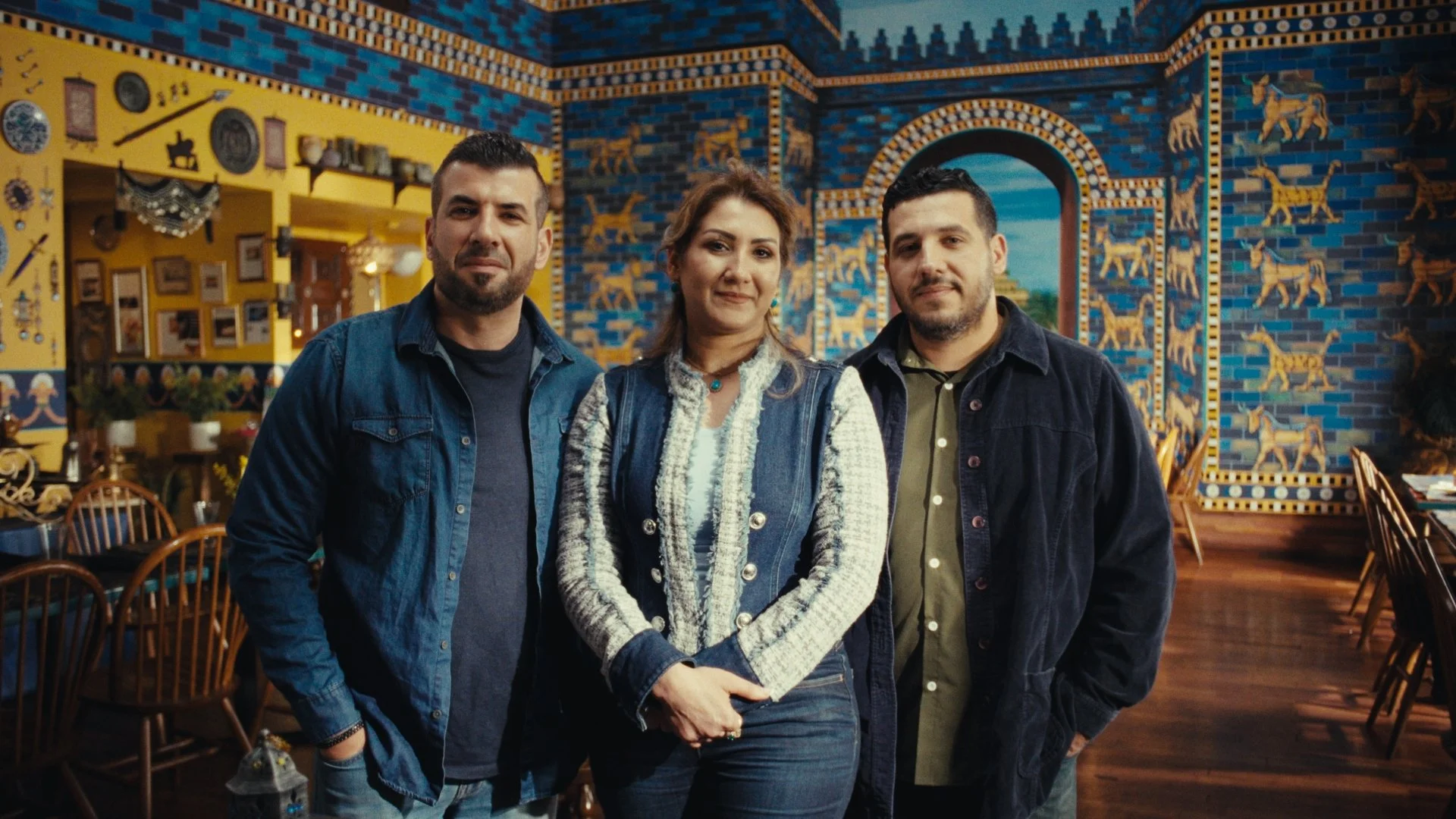
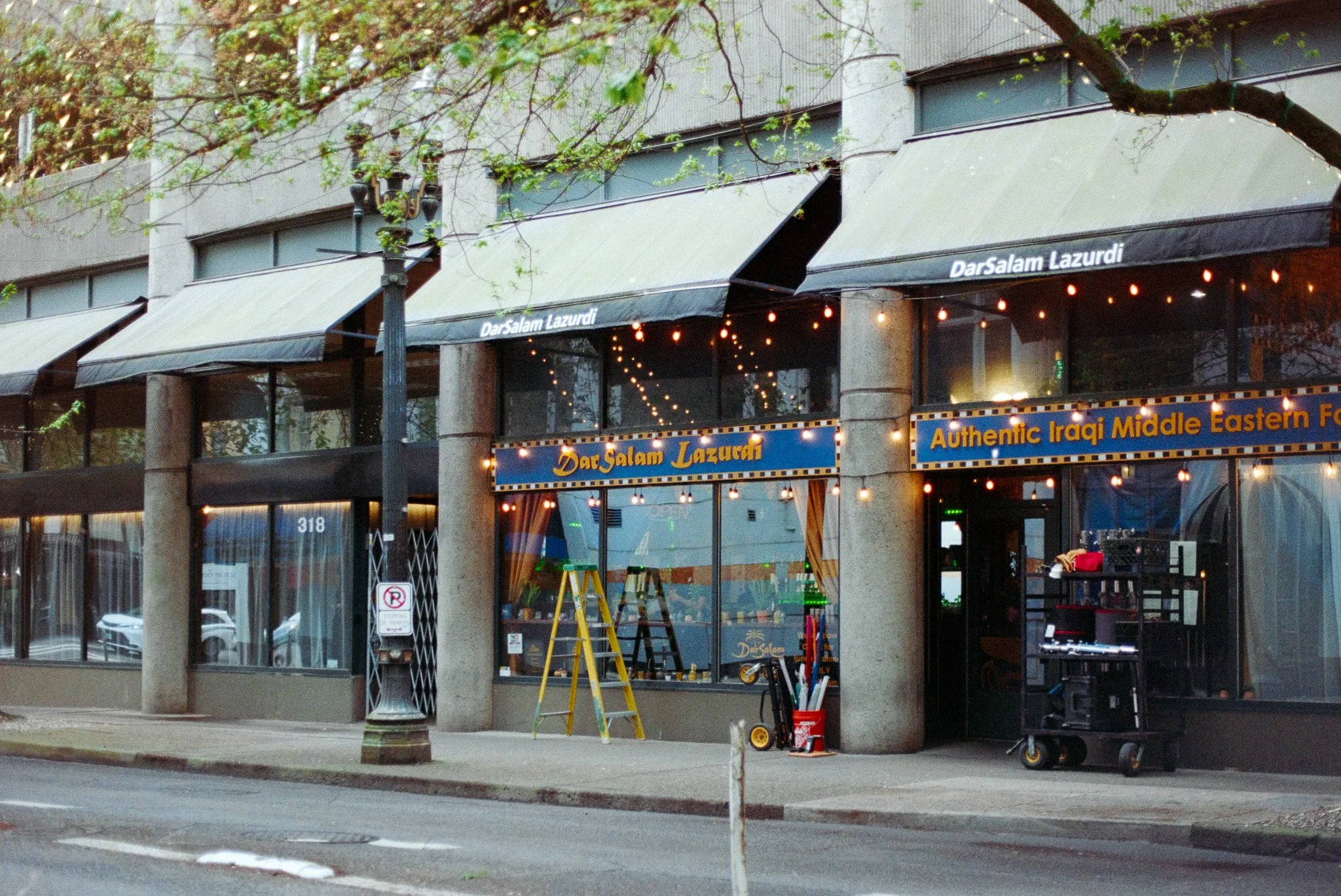
Honeybee Films was brought on to tell the story of a business owner in the heart of Downtown Portland. During casting, we met Ghaith Sahib of DarSalam Restaurant Group. His story is rooted in resilience. He arrived in Portland in 2006 during the Iraq War, carrying with him the weight of displacement while building something entirely new.
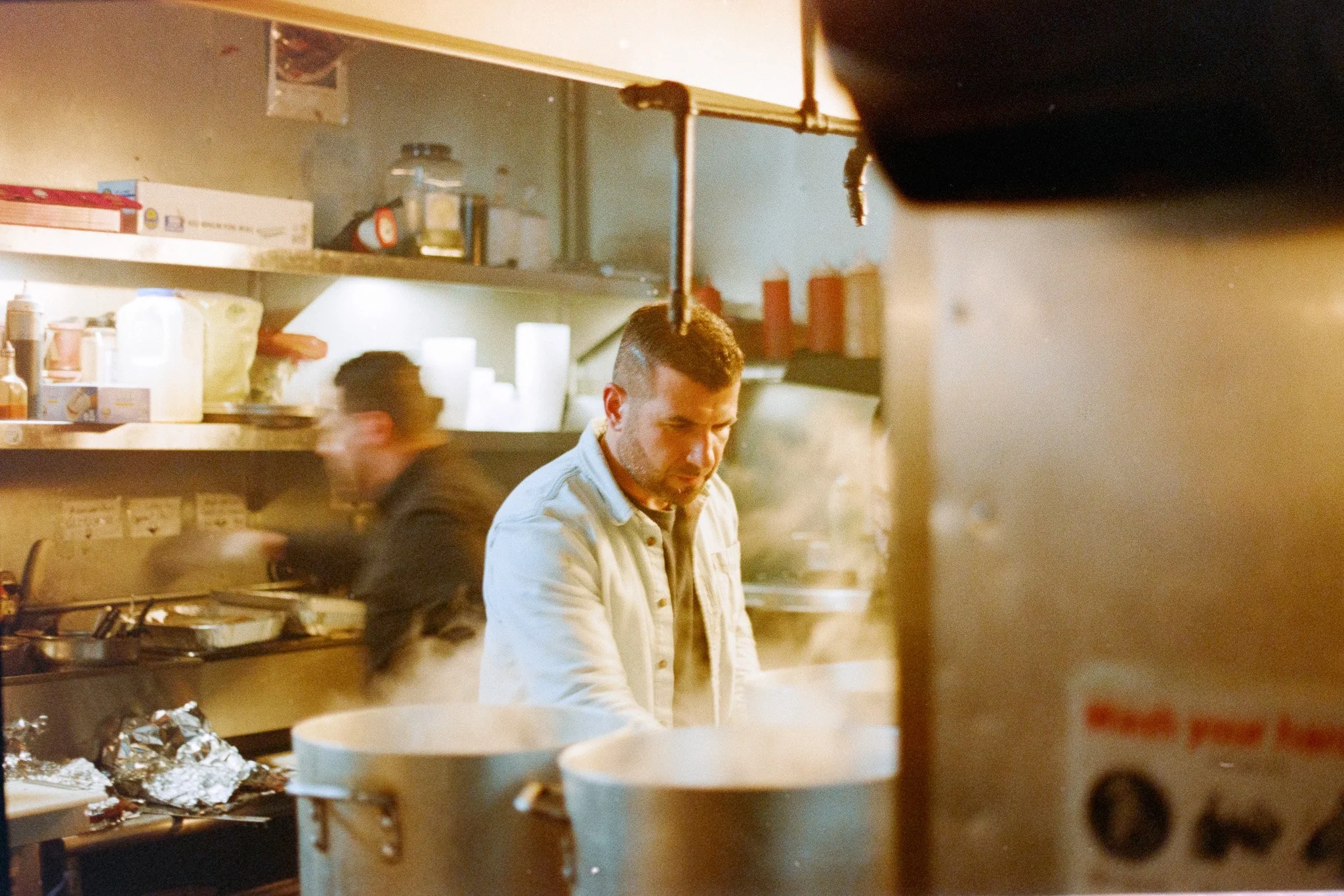
As we spent time with his story, three themes became clear: resilience, hard work, and grit.
These ideas became the foundation for how I wanted to use light throughout the commercial.
When I think about resilience, I think about navigating the unknown. I think about loneliness, uncertainty, and the emotional weight of starting over in a new place while your past still lingers elsewhere. I wanted the visual language to reflect that internal experience through a spectrum of light. The amount of light in each scene would guide the audience through Ghaith’s emotional journey.
We structured the commercial into three movements:
Part 1 - Fear of Acceptance
Part 2 - Initial Support
Part 3 - Community Support
Part I - Fear of Acceptance
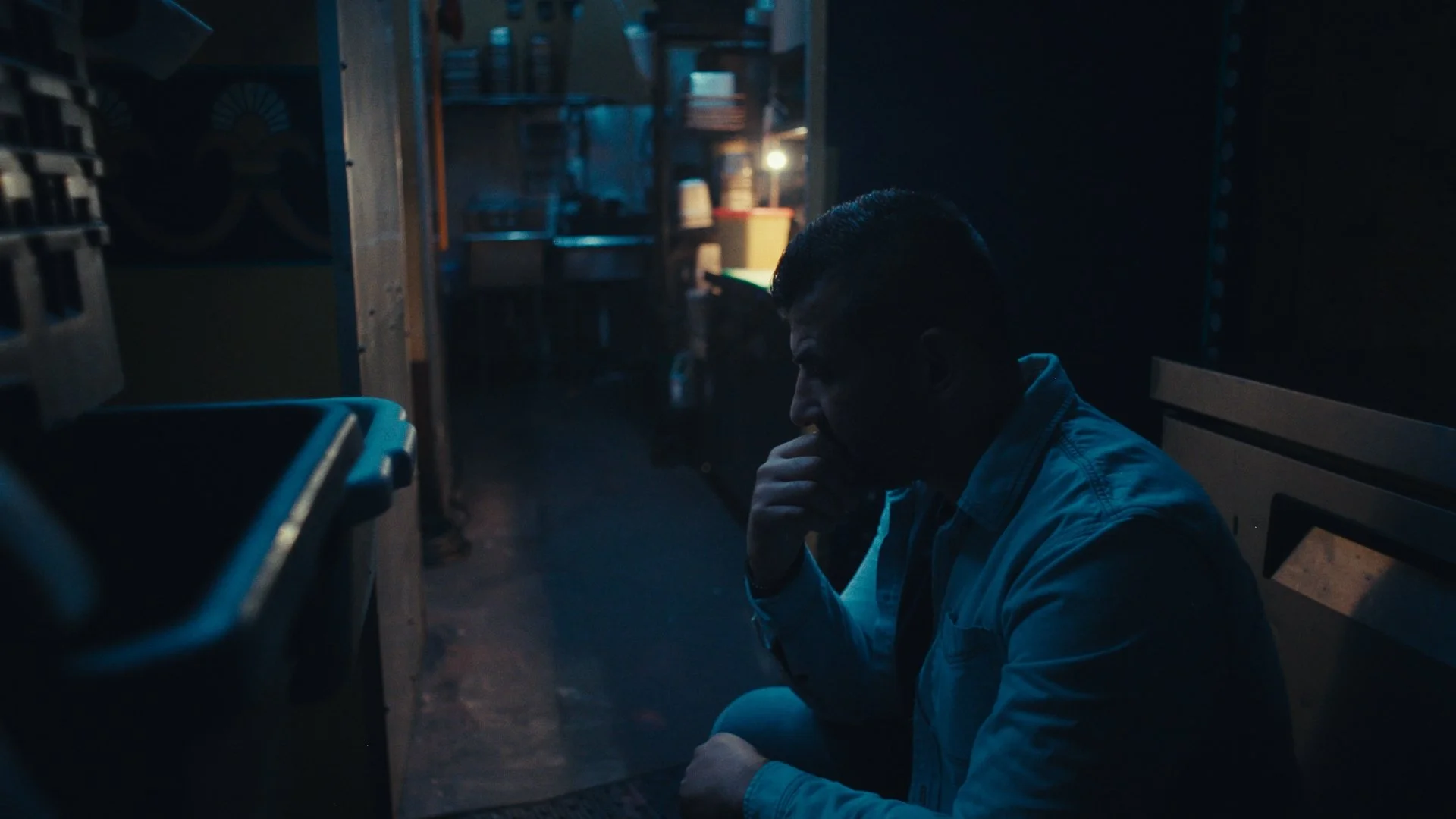
When Ghaith first arrived in Portland, there was a sense of unease. Would he be accepted? How would he adapt to a new culture? Would people welcome him?
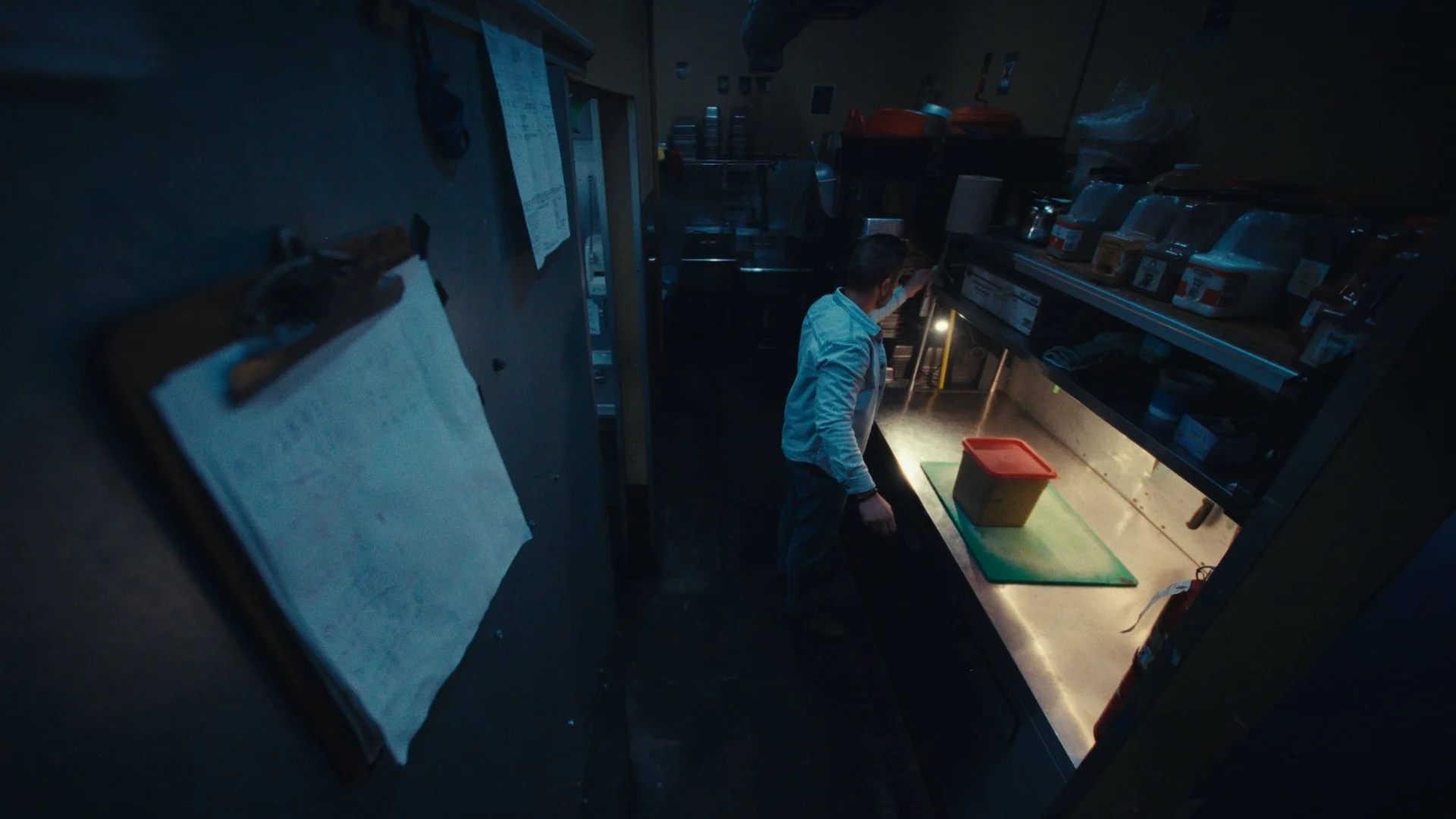
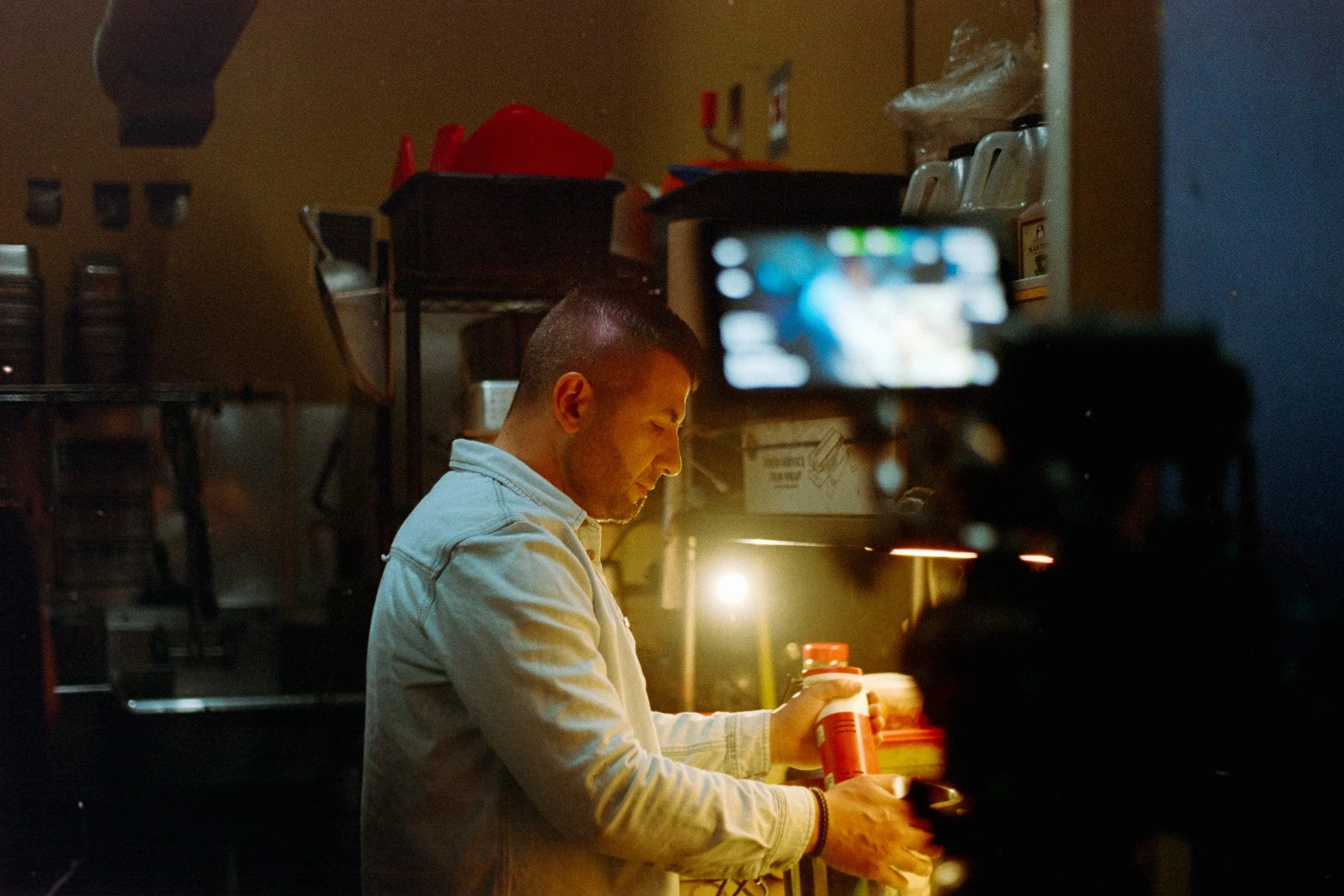
To translate this visually, we leaned into darkness. The opening frames are intentionally low in light, with shadows dominating the space. This reflects Ghaith’s internal world at the time. A place filled with uncertainty and hesitation.
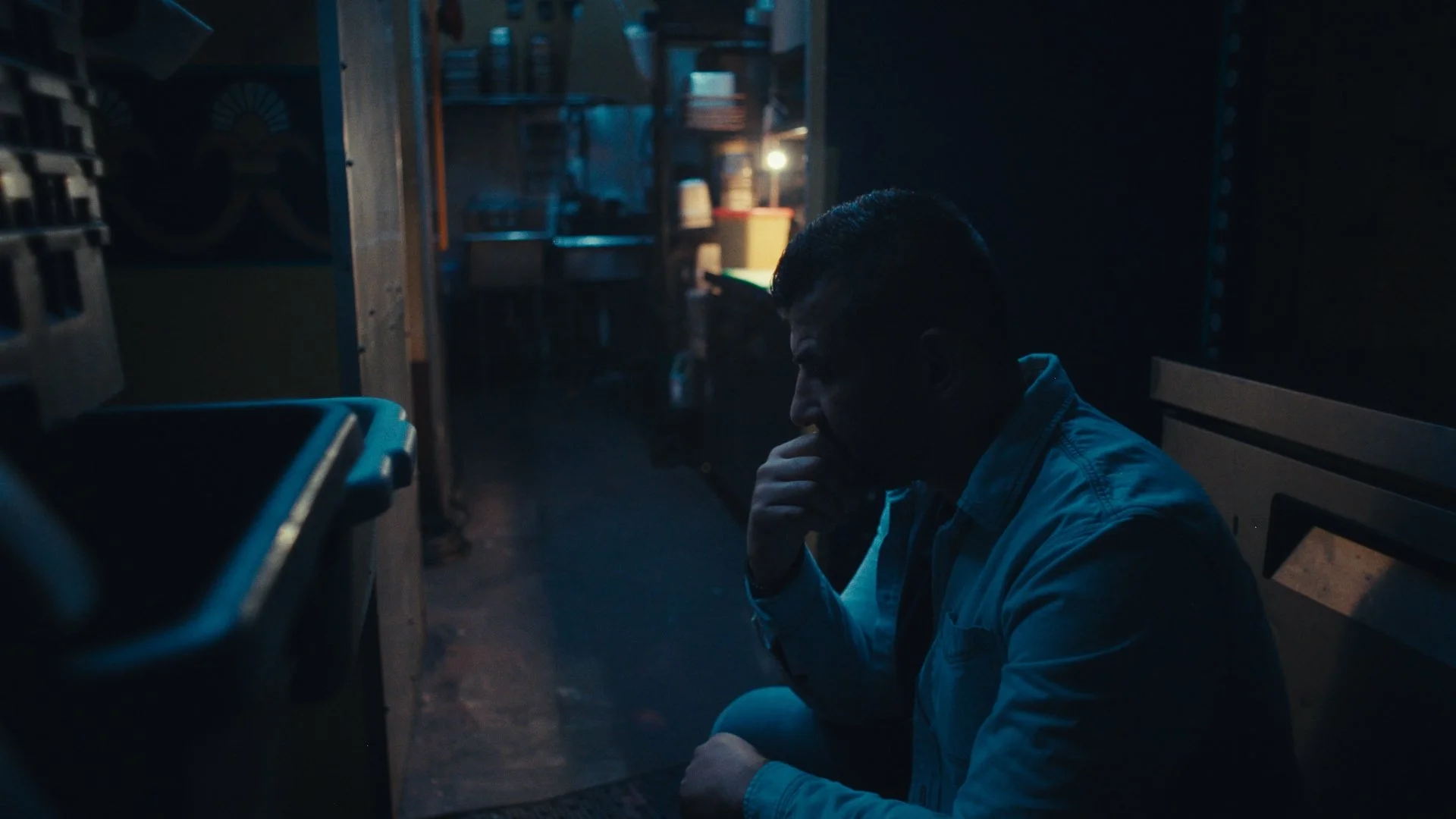
There is a quiet moment where he sits in the early morning. The environment feels heavy, almost closing in on him. Yet in the background, a practical light remains on. It is subtle, but intentional. A small signal of hope in an otherwise dim world.
Part II - Initial Support
As the story moves forward, we begin to see a shift.
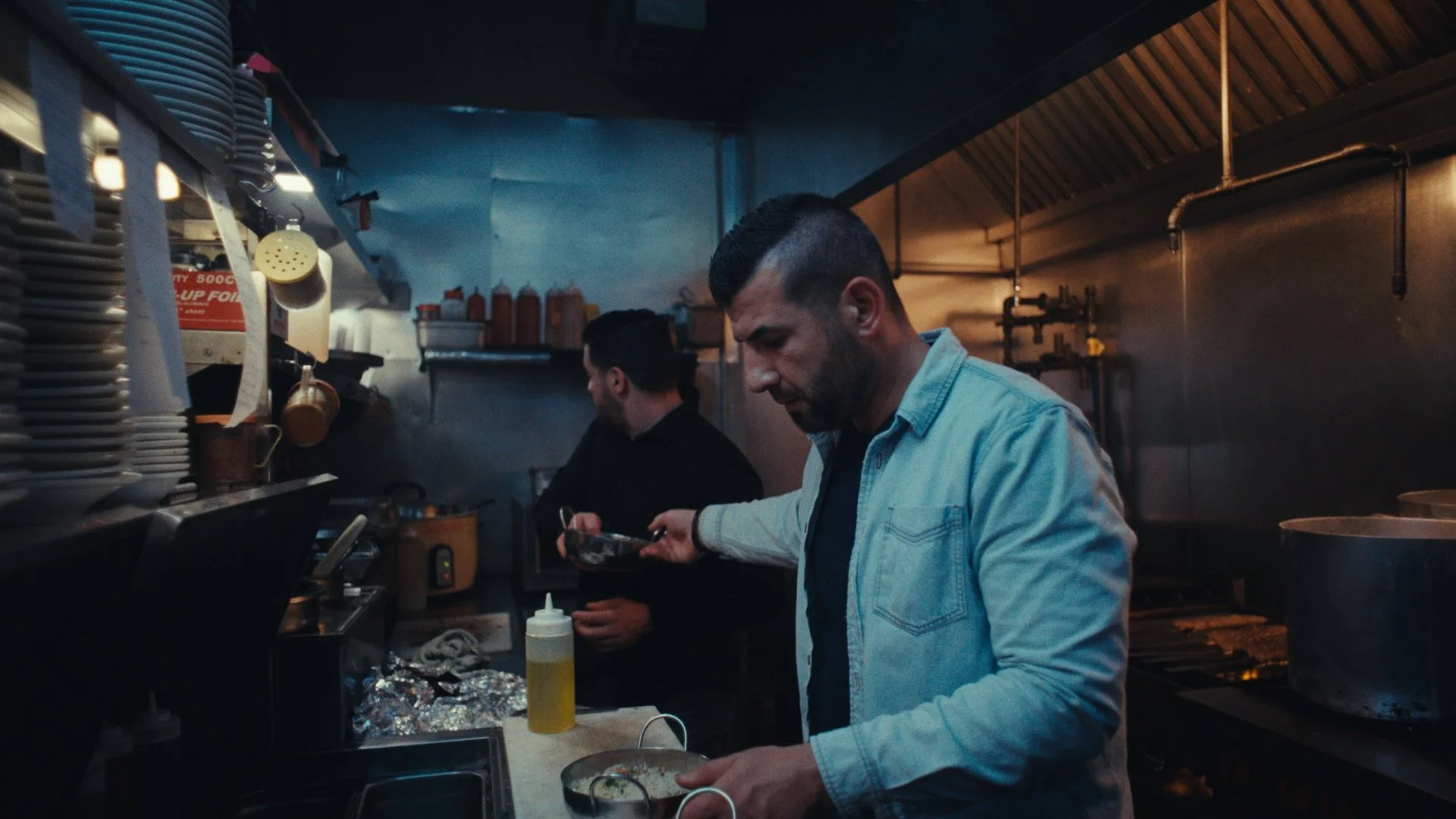
Ghaith recalls a time when the city started to support him. This stage of the journey is not fully secure. As business owners, there is often a lingering sense that support can disappear at any moment. That tension still exists here.
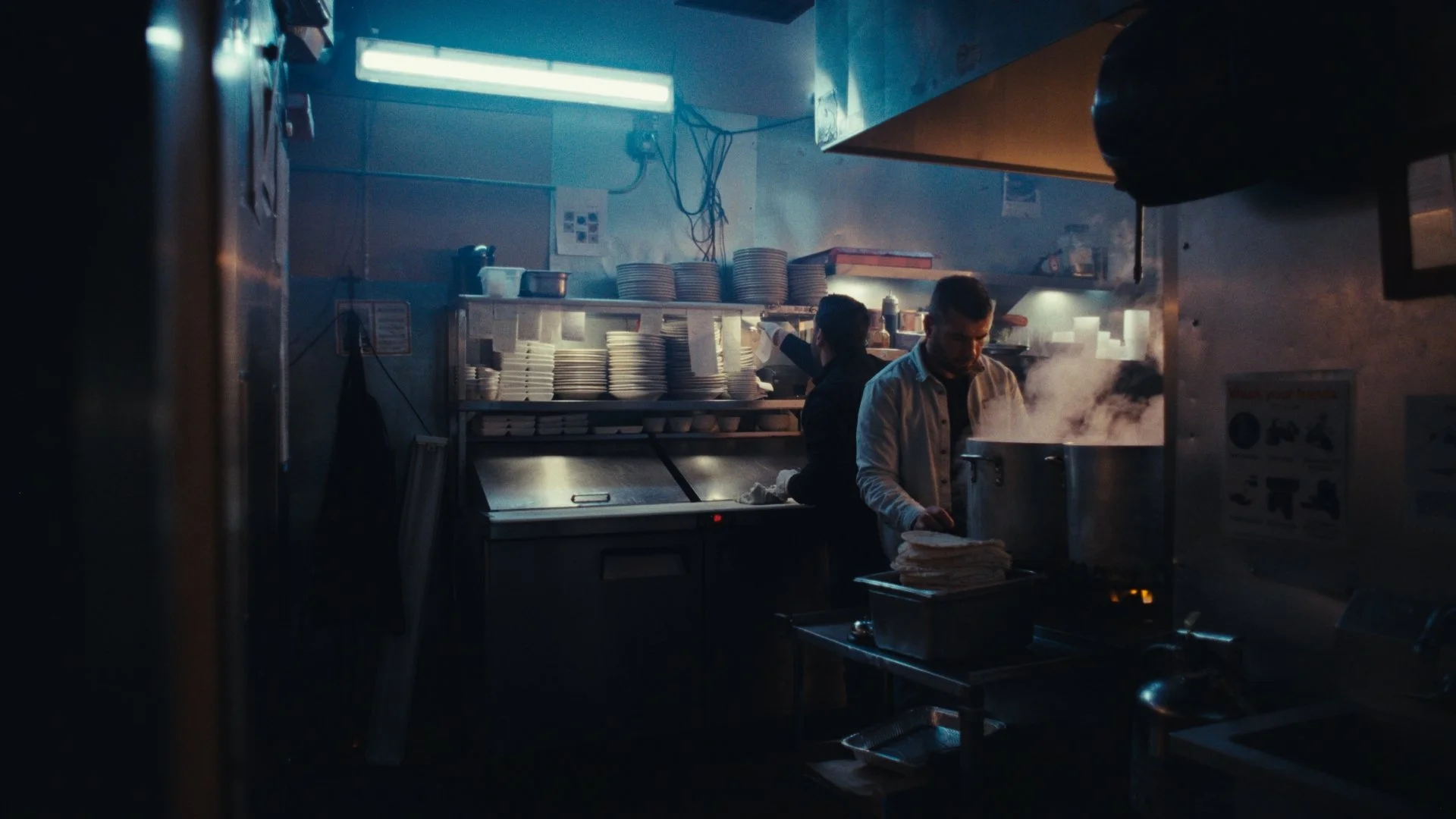
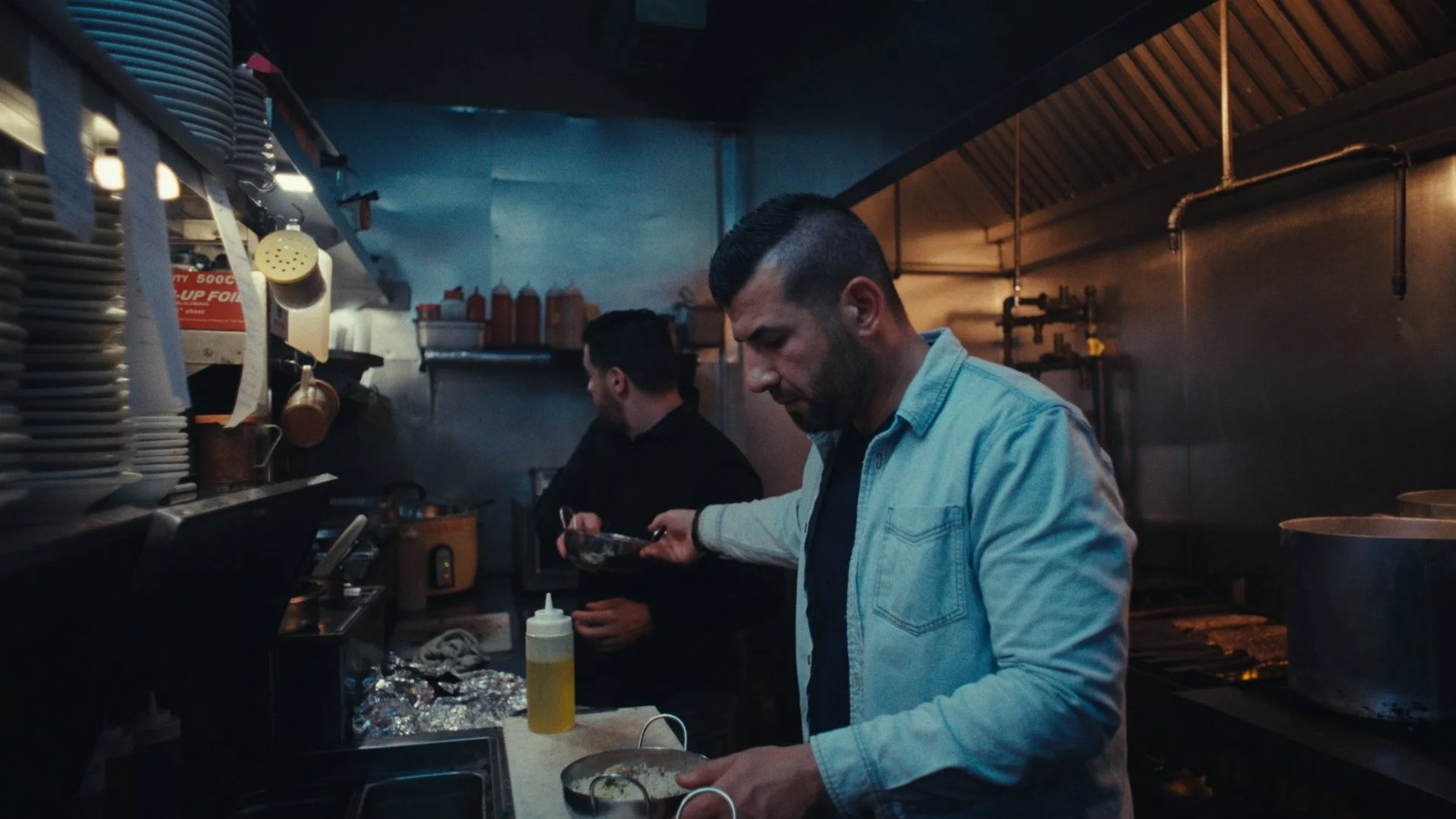
Visually, we introduced more light into the frame while maintaining contrast. Shadows are still present, but they no longer dominate. This balance reflects a world that is beginning to open up, while still holding onto uncertainty.
Part III - Community Support
In the final movement, the tone transforms.
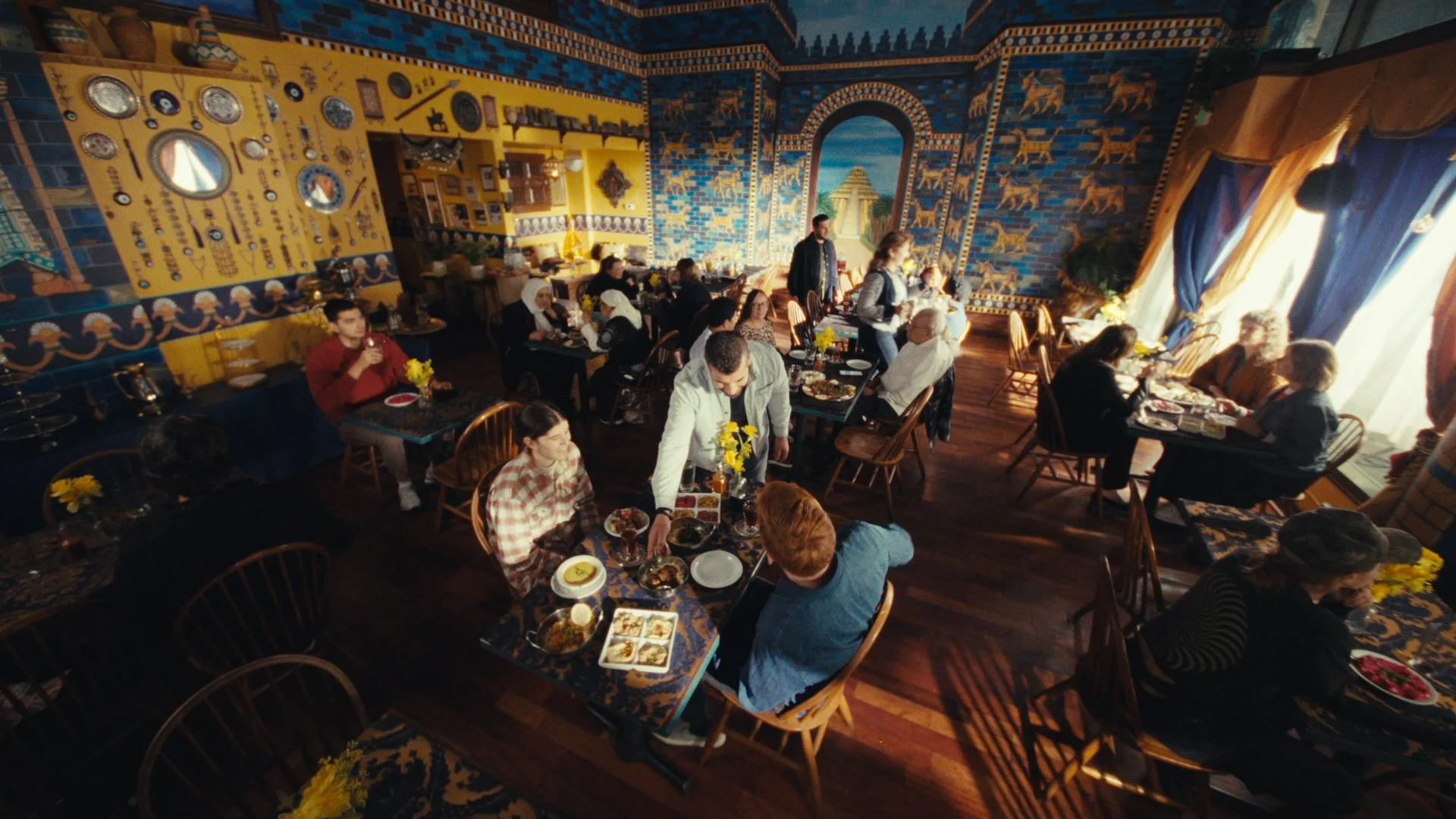
Ghaith speaks with gratitude about the support he has received from the city. There is a sense of belonging now. A feeling of being seen and accepted.
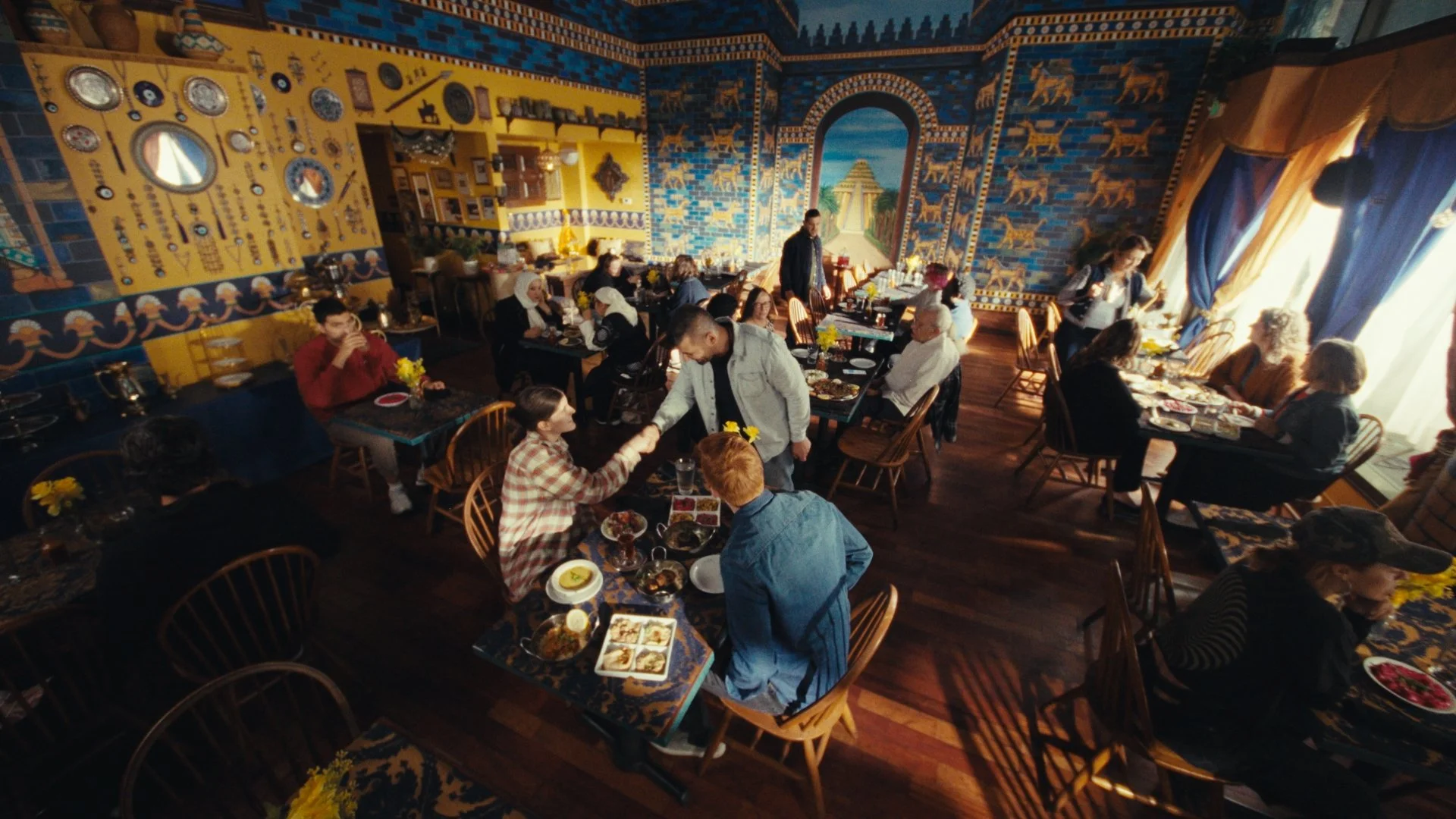
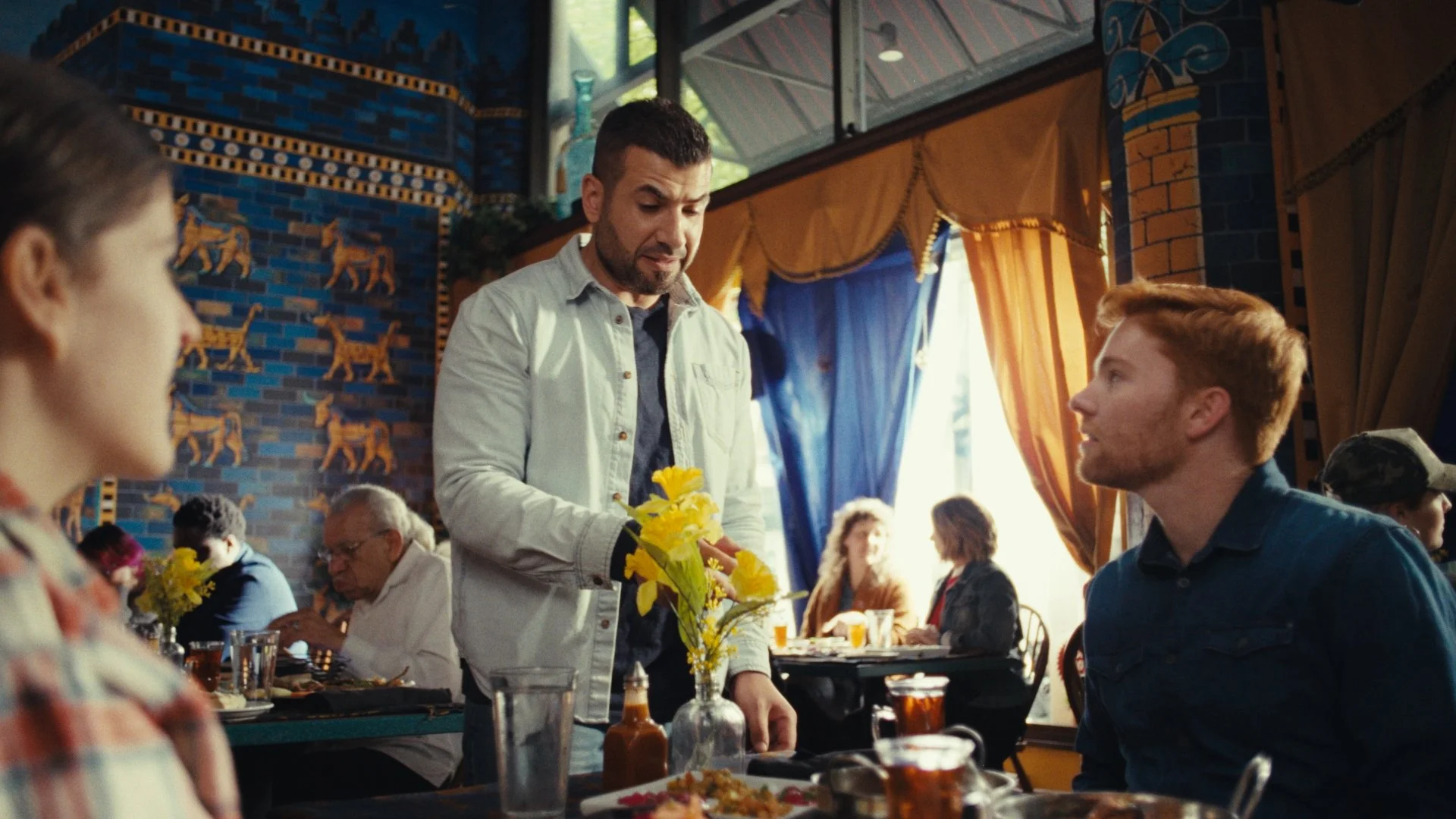
We translated this by fully embracing light. The space becomes brighter, more open, and more inviting. Light fills the environment as the restaurant comes to life. Guests gather, meals are shared, and culture is experienced together.
What was once dark and uncertain becomes warm and vibrant.
Light, in this moment, represents support through the community.
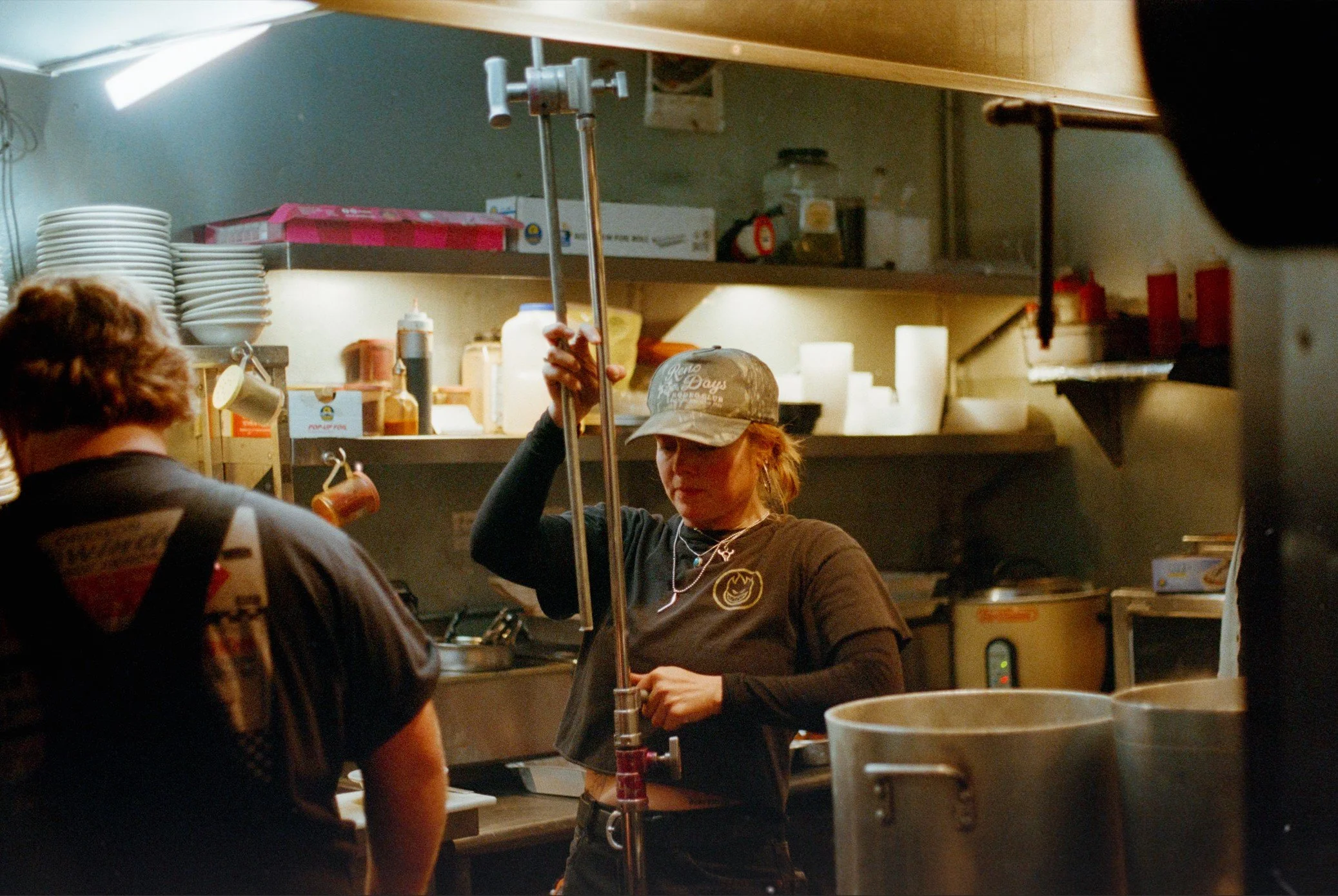
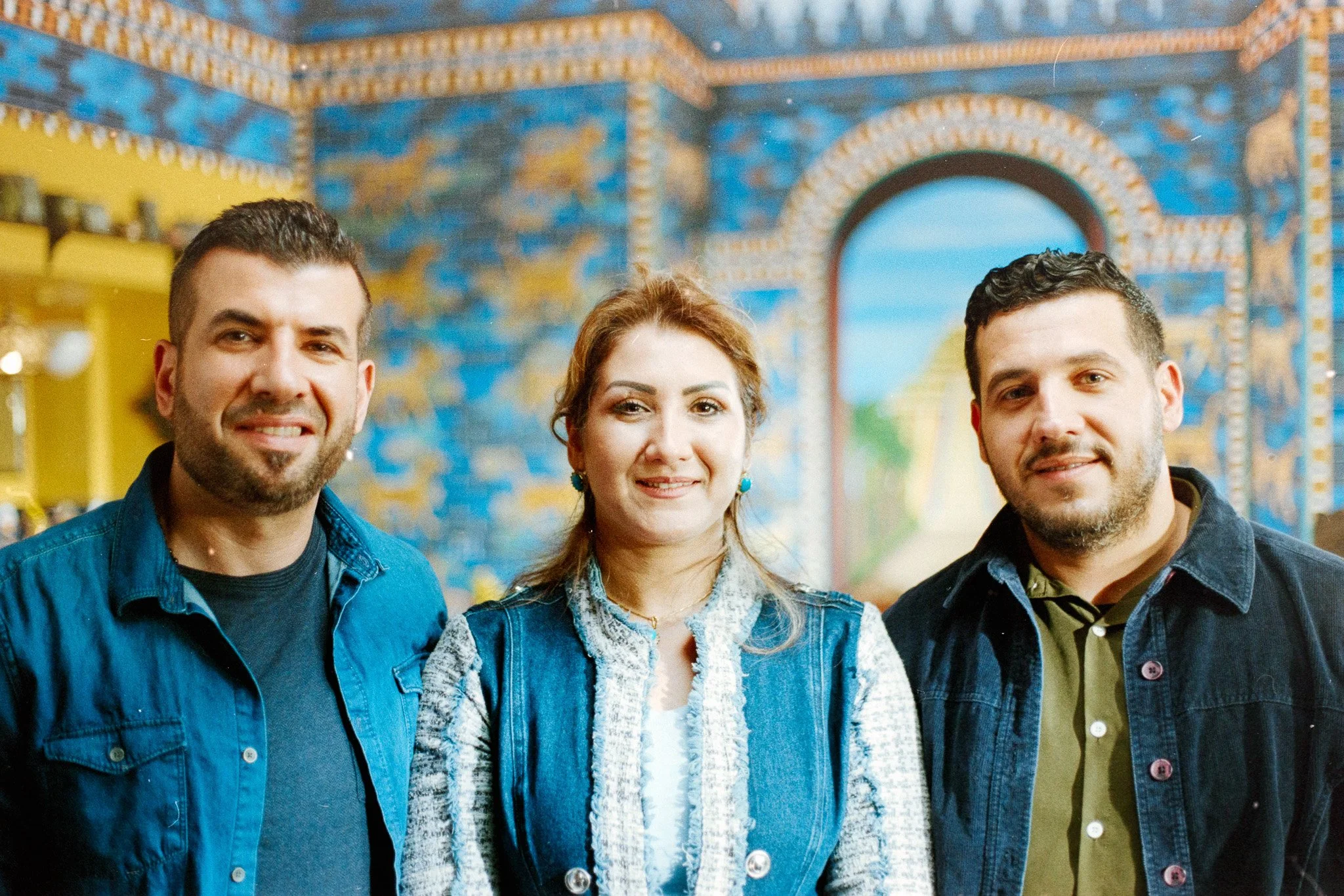
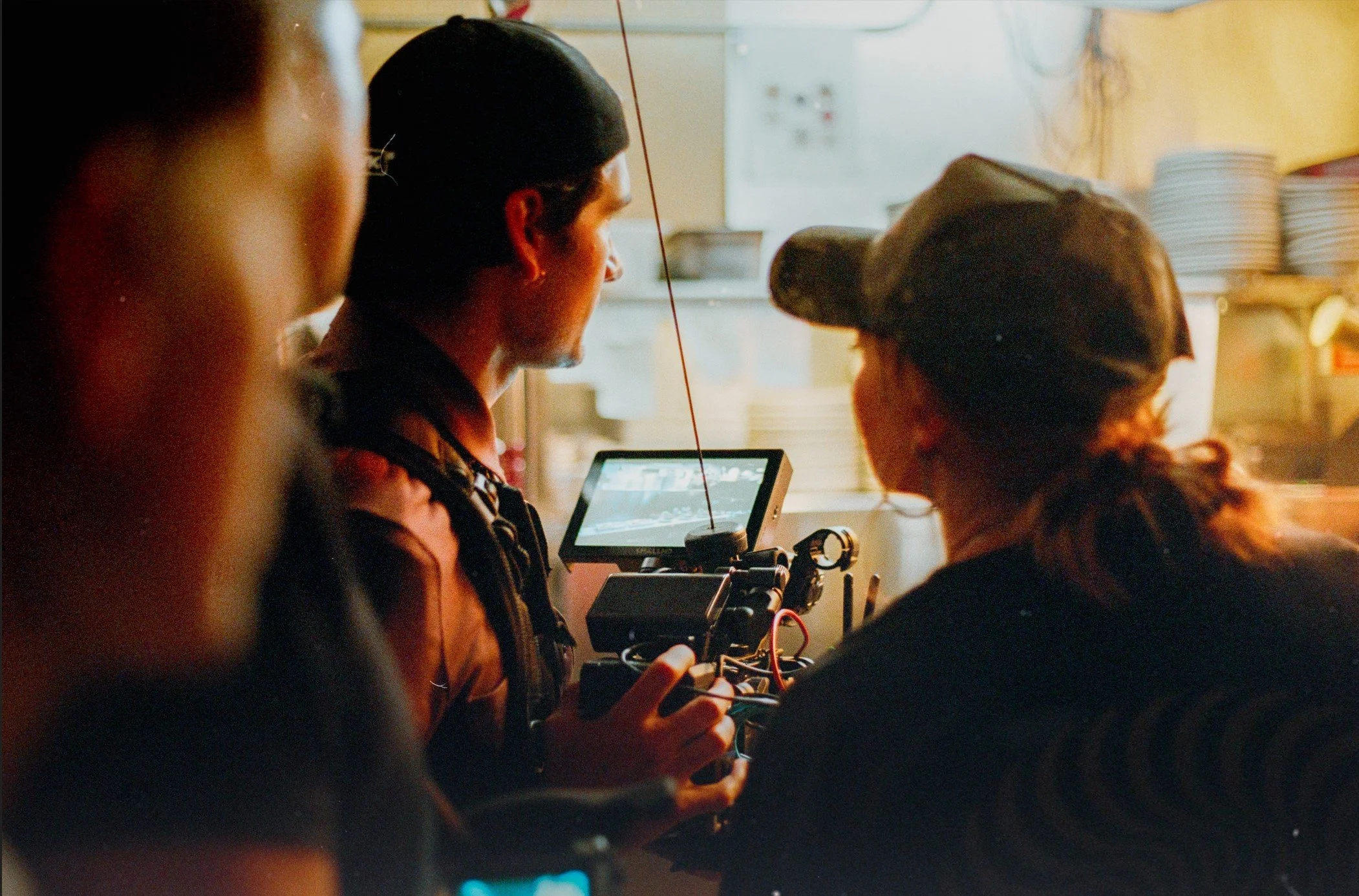
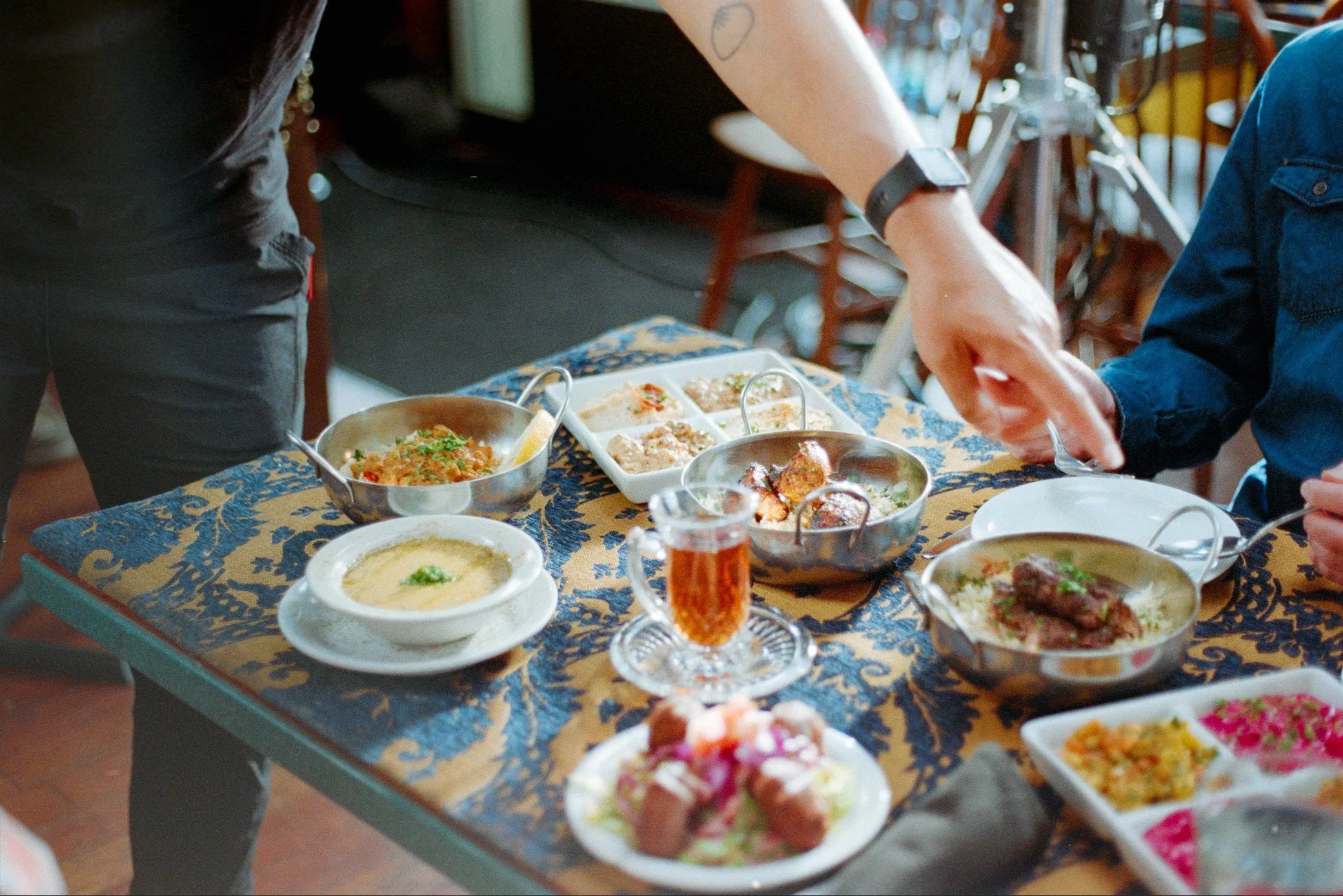
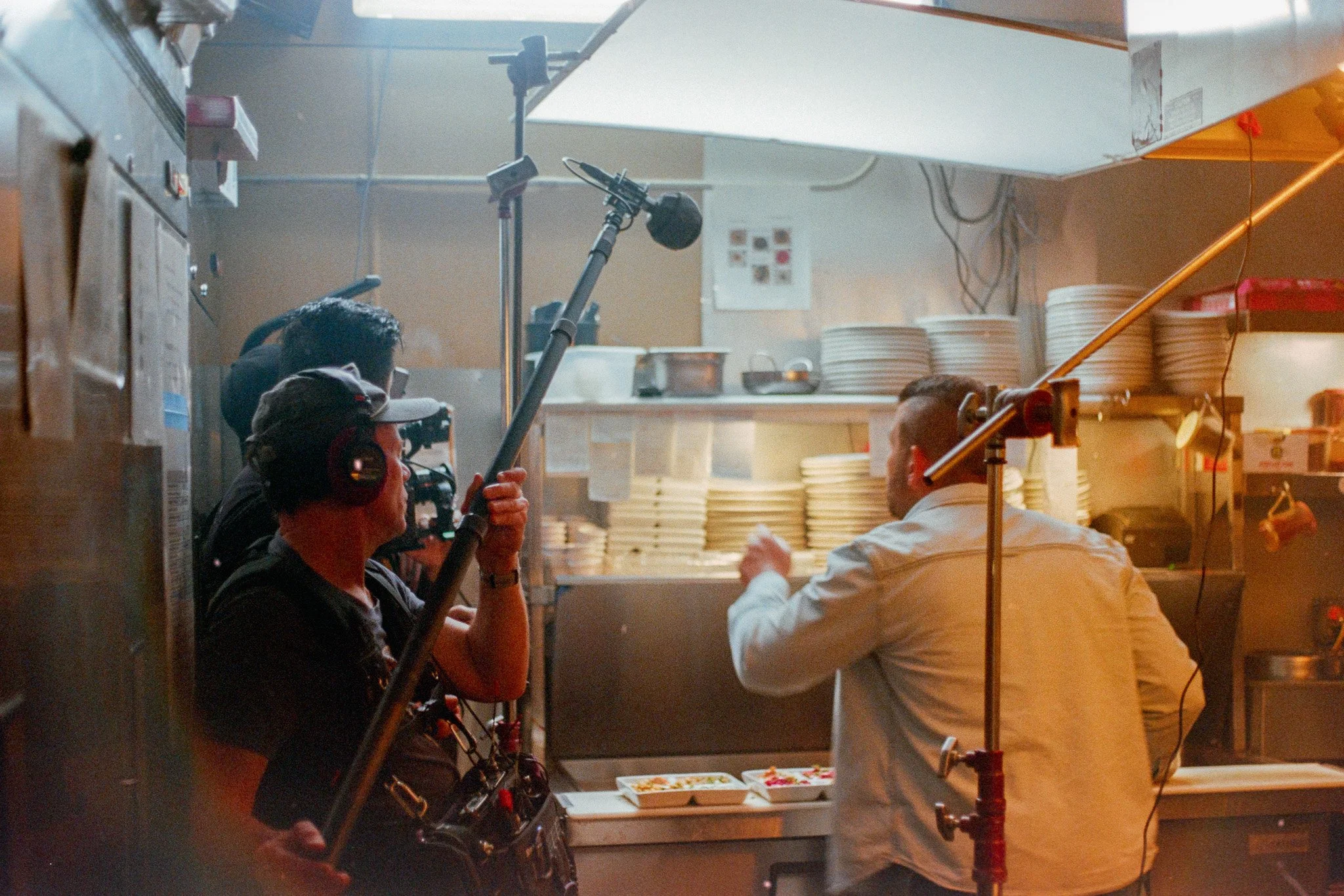
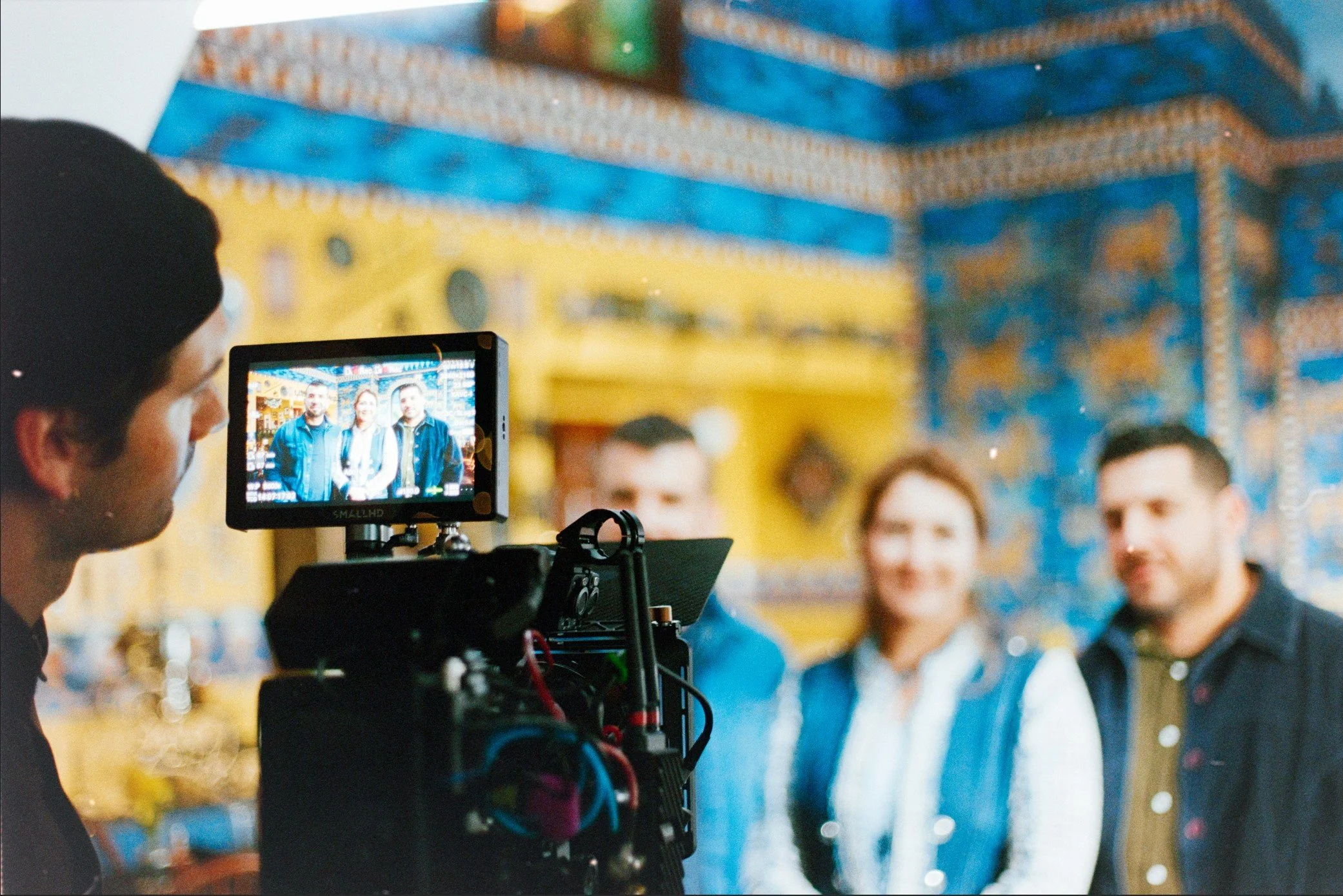
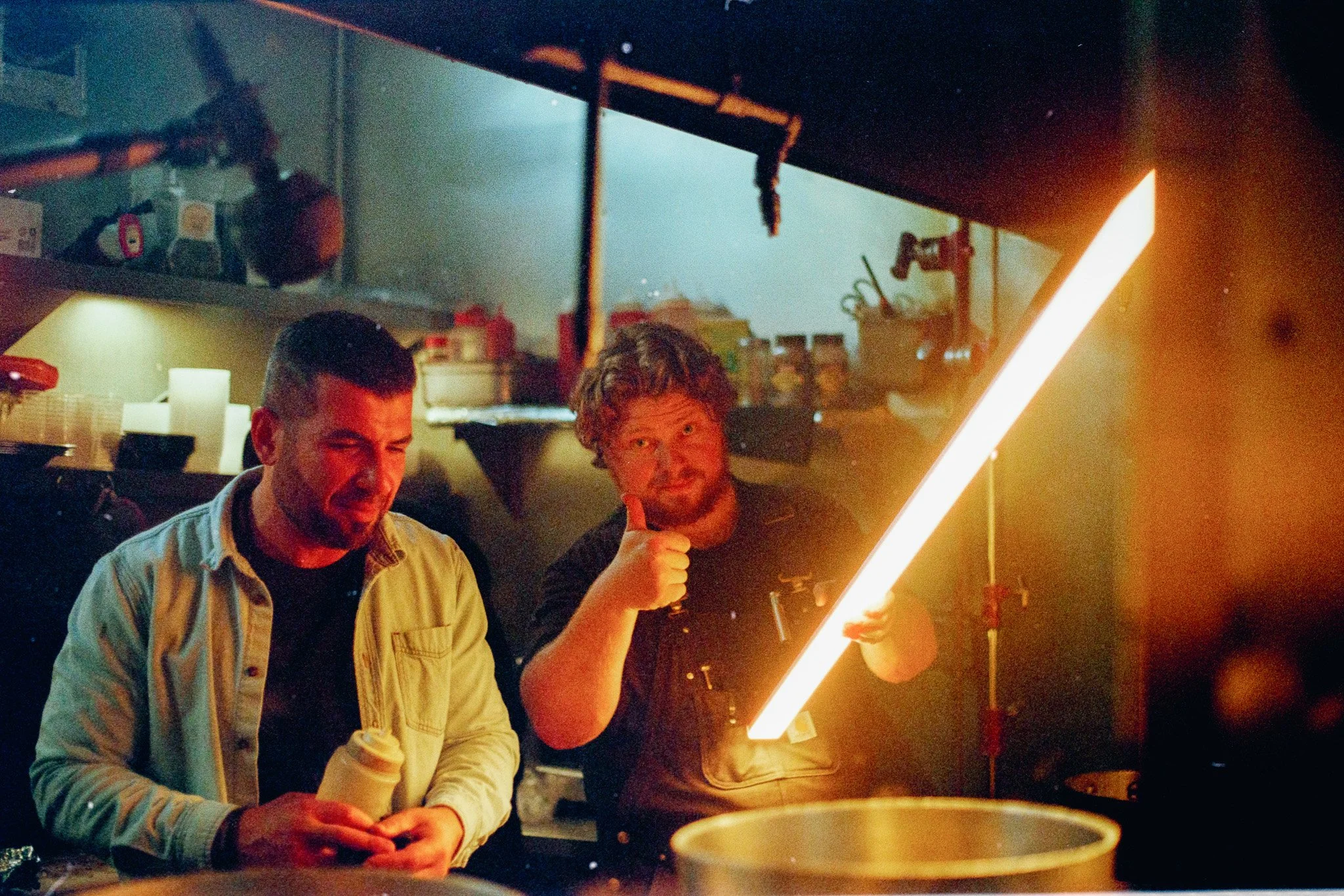
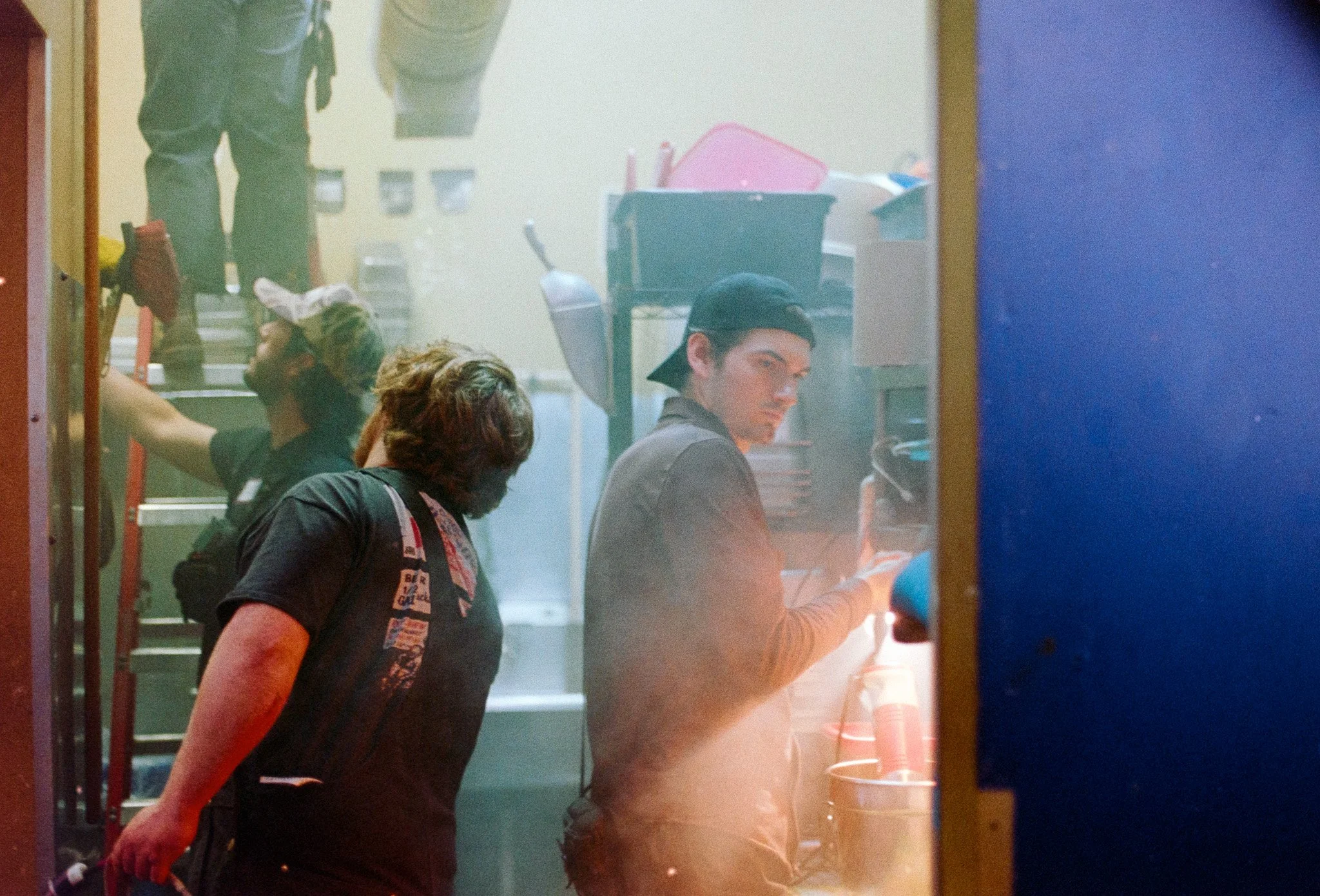
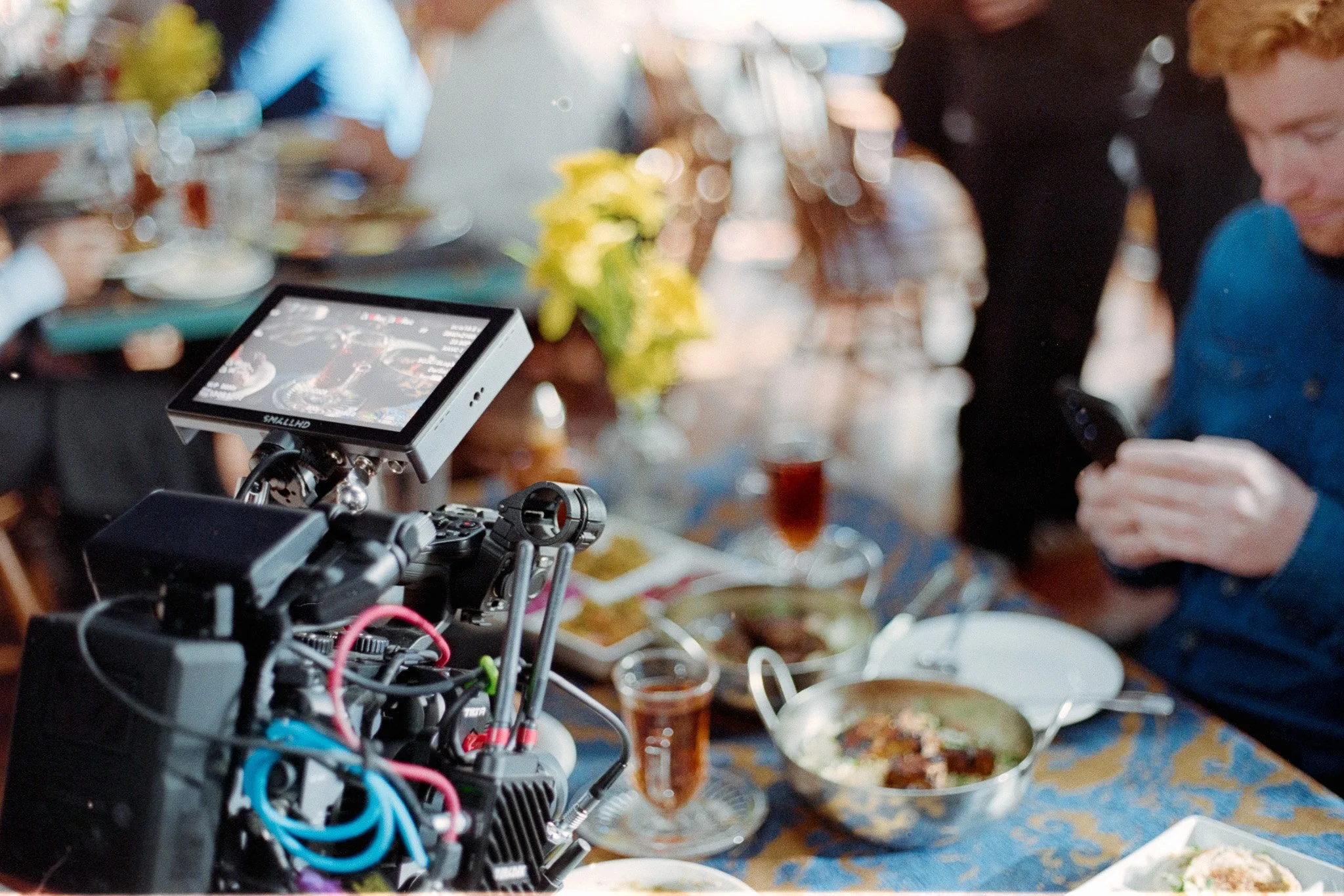
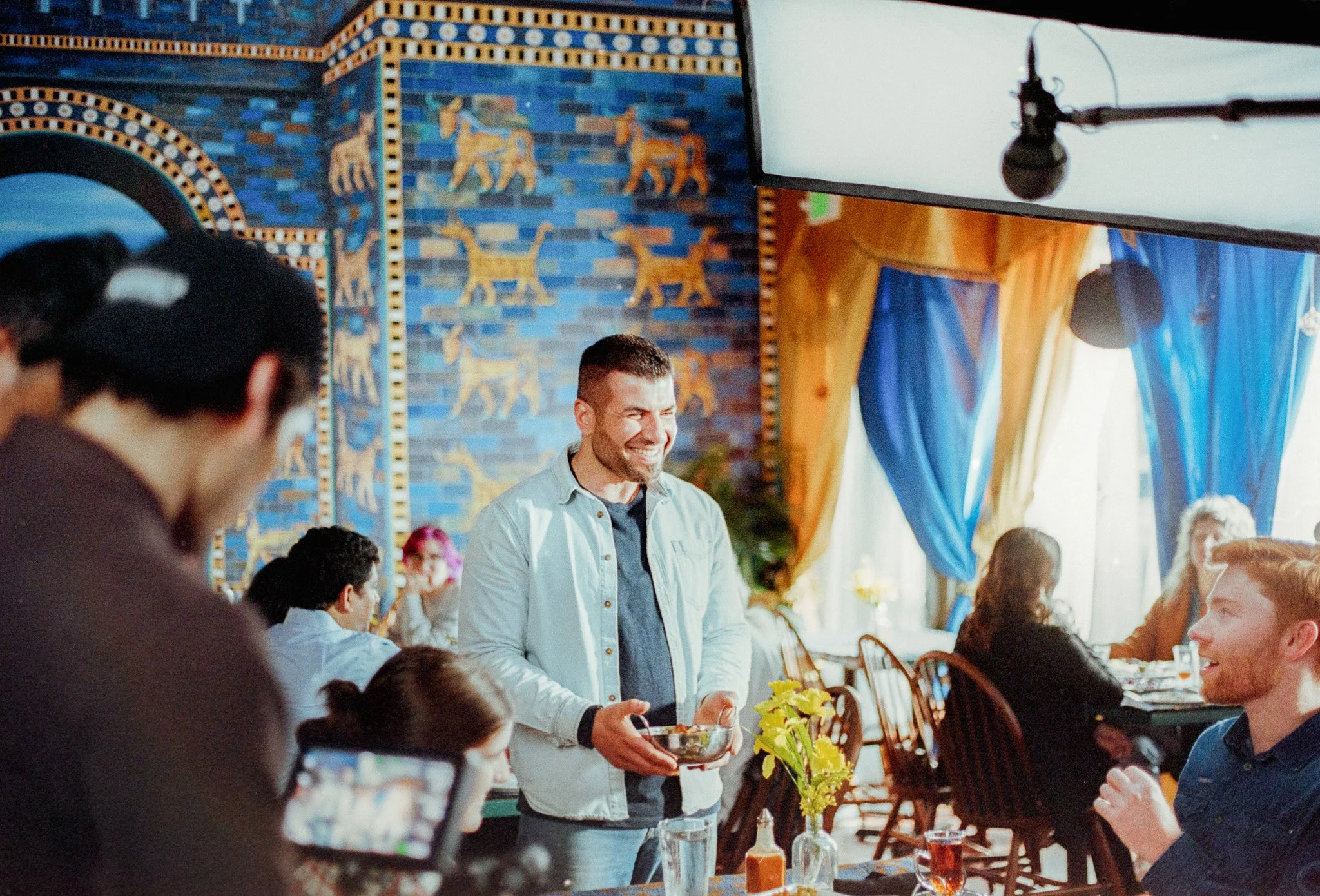
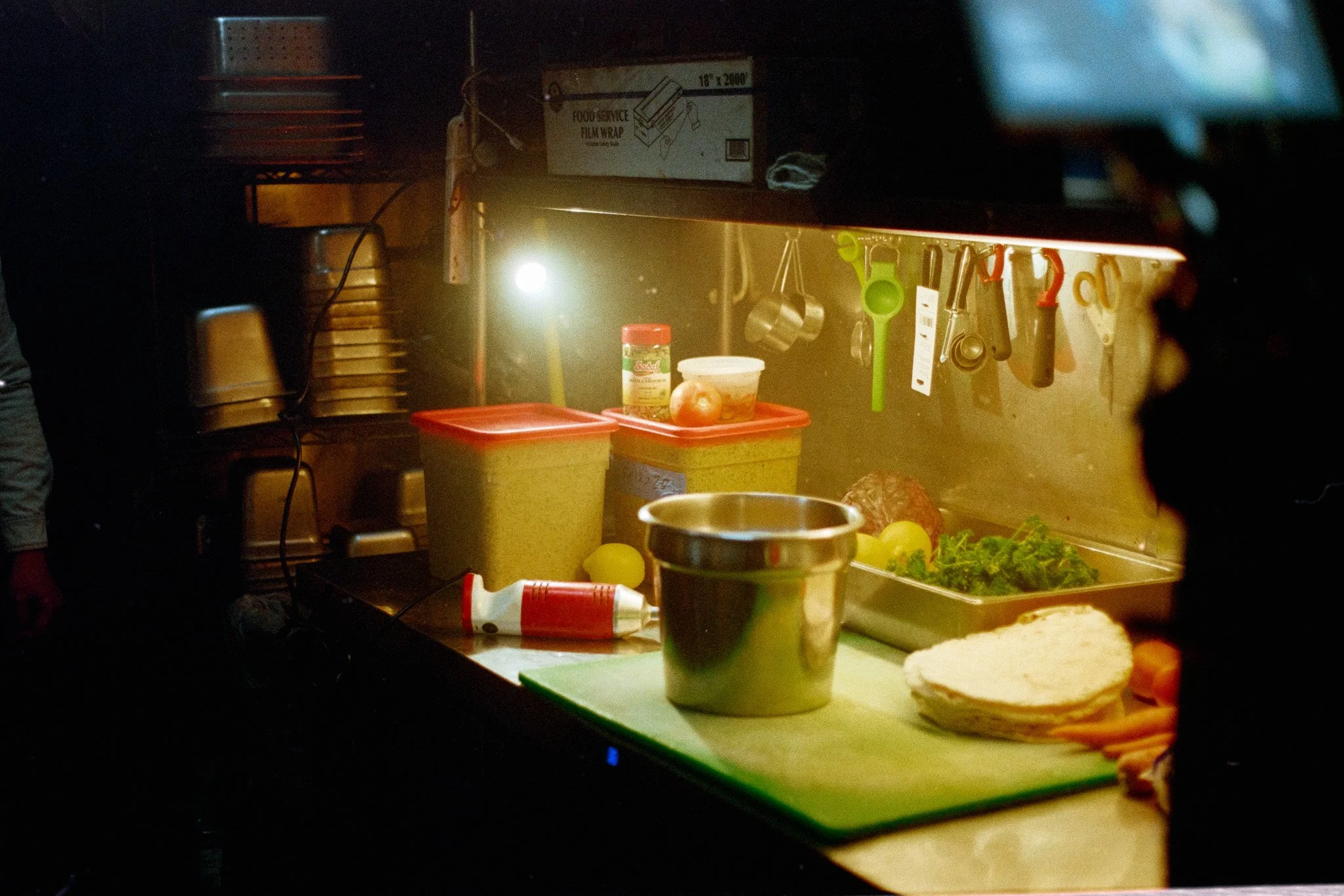
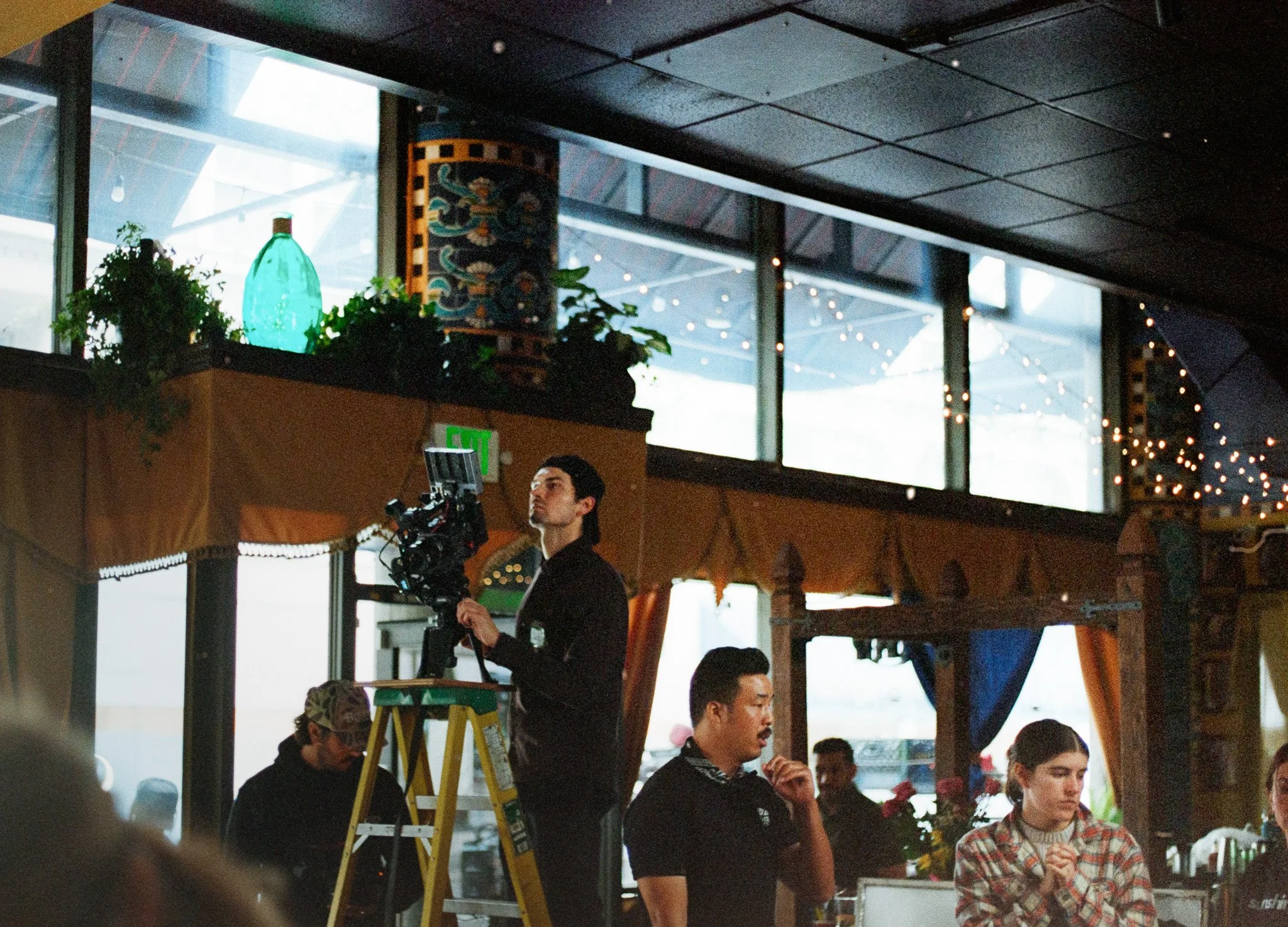
This commercial was a meaningful one to direct because it allowed us to tell a story not just through words or performance, but through light itself.
I hope this breakdown helps you think differently about how visual elements can carry emotional weight in storytelling.
